


How to Create a Monthly Budget
Introduction
Managing money effectively is one of the most important life skills anyone can develop. Yet many people struggle with overspending, unexpected expenses, and financial stress simply because they do not have a clear plan for their income. This is where learning how to create a monthly budget becomes essential.
A monthly budget serves as a roadmap for your finances. It helps you understand where your money comes from, where it goes, and how much you can save each month. Whether you are a student, a working professional, a business owner, or someone trying to improve financial stability, budgeting can help you make smarter decisions.
Many people assume that budgeting means restricting themselves from enjoying life. In reality, a budget gives you more control and freedom because you know exactly how much you can spend without affecting your financial goals. It helps you prepare for emergencies, reduce debt, and build long-term wealth.
The good news is that creating a monthly budget is not complicated. With the right approach, anyone can build a budget that works for their lifestyle and financial situation. In this guide, you will learn how to create a monthly budget step by step, understand its importance, discover common mistakes to avoid, and explore practical tips that can make budgeting easier and more effective.
What Is How to Create a Monthly Budget?
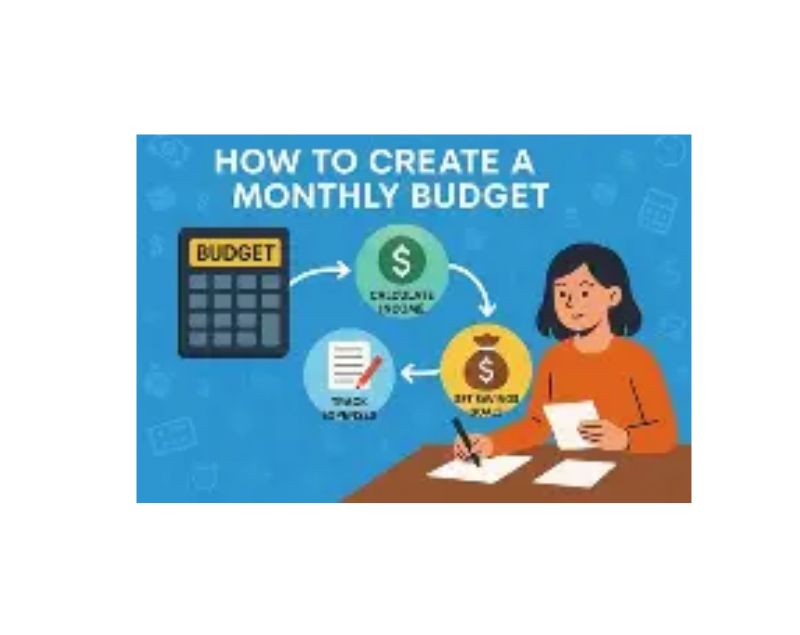
A budget typically includes:
- Income sources
- Fixed expenses
- Variable expenses
- Savings contributions
- Debt payments
- Emergency funds
For example, if your monthly income is $3,000, you might allocate:
- $1,000 for housing
- $400 for groceries
- $300 for transportation
- $200 for savings
- $300 for utilities
- $300 for debt payments
- $500 for other expenses
By assigning every dollar a purpose, you gain greater control over your finances.
Why Is How to Create a Monthly Budget Important?
Creating a budget offers several financial and personal benefits.
First, it provides clarity. Many people underestimate their spending because they do not track expenses regularly. A budget reveals spending patterns and highlights areas where money may be wasted.
Second, budgeting reduces financial stress. Knowing that bills, savings, and expenses are planned in advance helps eliminate uncertainty.
Third, budgeting supports financial goals. Whether you want to buy a home, travel, start a business, or retire comfortably, a budget helps you allocate funds toward those objectives.
Additionally, budgeting helps:
- Prevent overspending
- Build emergency savings
- Reduce debt
- Improve financial discipline
- Increase confidence in money management
Without a budget, achieving financial stability becomes much more difficult.
Detailed Step-by-Step Guide
Step 1: Calculate Your Total Monthly Income
The first step in learning how to create a montly budget is determining how much money you earn each month.
Include all income sources such as:
- Salary
- Freelance income
- Business profits
- Rental income
- Side hustles
- Investment income
Use your net income, which is the amount you receive after taxes and deductions.
Example:
- Salary: $2,500
- Freelance work: $500
Total monthly income: $3,000
This figure serves as the foundation for your budget.
Step 2: Track Your Current Spending
Before creating a budget, understand how you currently spend your money.
Review:
- Bank statements
- Credit card statements
- Digital payment records
- Cash expenses
Track spending for at least one month.
You may discover surprising patterns such as:
- Frequent dining out
- Excessive online shopping
- Multiple unused subscriptions
Awareness is the first step toward improvement.
Step 3: Categorize Your Expenses
Organize expenses into categories.
Fixed Expenses
These remain relatively consistent each month.
Examples:
- Rent or mortgage
- Insurance
- Loan payments
- Internet service
Variable Expenses
These change from month to month.
Examples:
- Groceries
- Entertainment
- Transportation
- Dining out
Categorizing expenses helps identify areas where adjustments can be made.
Step 4: Set Financial Goals
Every successful budget should support clear financial goals.
Short-term goals include:
- Building an emergency fund
- Paying off a credit card
- Saving for a vacation
Long-term goals include:
- Buying a house
- Starting a business
- Retirement planning
Specific goals provide motivation and direction.
Step 5: Choose a Budgeting Method
Different budgeting methods suit different lifestyles.
50/30/20 Rule
Allocate income as follows:
- 50% needs
- 30% wants
- 20% savings and debt repayment
Zero-Based Budget
Assign every dollar a purpose until income minus expenses equals zero.
Envelope Method
Allocate cash into separate spending categories.
Choose the method that aligns with your financial habits.
Step 6: Create Your Budget Plan
Now create your monthly budget.
Example:
Monthly Income: $3,000
Expenses:
- Housing: $1,000
- Utilities: $200
- Groceries: $400
- Transportation: $250
- Insurance: $150
- Entertainment: $200
- Savings: $400
- Debt payments: $300
- Miscellaneous: $100
Total expenses: $3,000
This balanced budget ensures every dollar is accounted for.
Step 7: Build an Emergency Fund
Unexpected expenses can disrupt even the best budget.
Examples include:
- Medical emergencies
- Car repairs
- Job loss
- Home maintenance
Aim to save three to six months of living expenses.
Start small if necessary. Even saving a modest amount consistently can make a significant difference over time.
Step 8: Reduce Unnecessary Spending
Once your budget is established, identify opportunities to cut costs.
Possible savings areas include:
- Subscription services
- Dining out
- Impulse purchases
- Premium memberships
Small reductions often add up to substantial savings over a year.
Step 9: Monitor Your Budget Weekly
A budget is not a one-time activity.
Review your spending regularly.
Ask yourself:
- Am I staying within limits?
- Are there unexpected expenses?
- Do adjustments need to be made?
Weekly reviews help prevent problems before they become serious.
Step 10: Adjust and Improve Monthly
Financial situations change.
You may receive:
- Salary increases
- Bonuses
- New expenses
- Lifestyle changes
Review your budget every month and update it accordingly.
Flexibility is one of the keys to successful budgeting.
Benefits of How to Create a Monthly Budget

Creating a monthly budget provides numerous advantages:
- Better control over personal finances
- Reduced financial stress
- Improved savings habits
- Greater awareness of spending patterns
- Faster debt repayment
- Increased financial confidence
- Better preparation for emergencies
- Stronger financial discipline
- Enhanced ability to achieve goals
- More informed financial decisions
- Reduced risk of overspending
- Improved long-term wealth building
These benefits make budgeting one of the most valuable financial practices available.
Disadvantages / Risks
Although budgeting offers many benefits, there are potential challenges:
- Requires consistent effort and discipline
- May feel restrictive initially
- Unexpected expenses can disrupt plans
- Overly strict budgets can lead to frustration
- Inaccurate income estimates may cause budgeting errors
- Lack of regular monitoring reduces effectiveness
- Lifestyle inflation can undermine progress
- Complex budgets may become difficult to maintain
Fortunately, most of these challenges can be addressed through flexibility and regular review.
Common Mistakes to Avoid
Many people make mistakes when learning how to create a monthly budget.
Ignoring Small Expenses
Small purchases may seem insignificant, but they accumulate quickly.
Examples include:
- Coffee purchases
- Snacks
- Mobile app subscriptions
Tracking these expenses improves accuracy.
Setting Unrealistic Goals
An overly aggressive budget can be difficult to maintain.
For example, cutting entertainment spending from $300 to $0 overnight may not be sustainable.
Make gradual changes instead.
Forgetting Irregular Expenses
Many budgets fail because people ignore occasional expenses.
Examples include:
- Vehicle registration
- Annual subscriptions
- Holiday spending
- Gifts
Plan ahead for these costs.
Not Saving for Emergencies
Without emergency savings, unexpected costs often lead to debt.
Emergency funds provide financial protection and stability.
Failing to Review the Budget
A budget should evolve with your circumstances.
Regular reviews ensure continued effectiveness.
Relying on Estimates
Use actual financial data whenever possible.
Accurate numbers create realistic budgets.
Giving Up After Mistakes
Budgeting is a learning process.
If you exceed spending limits one month, analyze the cause and improve next month rather than abandoning the budget entirely.
How do beginners start a monthly budget?
Beginners should start by calculating monthly income, tracking expenses, categorizing spending, and creating realistic spending limits. Regular monitoring is essential for success.
What is the easiest budgeting method?
The 50/30/20 rule is often considered the simplest method because it divides income into needs, wants, and savings categories.
How often should I review my budget?
Review your budget weekly and perform a detailed evaluation at the end of every month. Frequent reviews improve accuracy and accountability.
Can budgeting help me save more money?
Yes. Learning how to create a monthly budget helps identify unnecessary spending and allocate more money toward savings goals.
What should I do if my income changes every month?
Use your average monthly income from the previous several months. Build a budget around your lowest expected income and treat extra earnings as bonuses.
How much should I save each month?
Many experts recommend saving at least 20% of your income. However, any consistent amount is beneficial if it fits your financial situation.
Should I budget even if I have no debt?
Absolutely. Budgeting is not only for debt management. It also supports savings, investing, goal achievement, and financial security.
What tools can help with budgeting?
You can use spreadsheets, budgeting notebooks, financial planning templates, or budgeting apps. The best tool is the one you consistently use.
Expert Tips & Bonus Points
To maximize the effectiveness of your monthly budget, consider the following expert recommendations:
Pay Yourself First
Transfer money into savings immediately after receiving income. This approach prioritizes financial growth before discretionary spending.
Automate Savings
Automatic transfers make saving easier and more consistent.
Use Separate Accounts
Maintain separate accounts for:
- Daily spending
- Savings
- Emergency funds
This separation reduces the temptation to spend savings.
Follow the 24-Hour Rule
Before making non-essential purchases, wait 24 hours.
This simple strategy reduces impulse buying.
Review Financial Goals Quarterly
Every three months, evaluate progress toward your goals and make adjustments if necessary.
Increase Savings After Raises
When income increases, direct a portion of the additional earnings toward savings rather than increasing spending.
Track Every Dollar
Even minor expenses deserve attention.
Consistent tracking creates stronger financial awareness.
Celebrate Milestones
Recognize achievements such as:
- Paying off debt
- Reaching savings goals
- Completing several months of successful budgeting
Positive reinforcement encourages long-term consistency.
Conclusion
Learning how to create a montly buget is one of the most effective ways to take control of your financial future. A well-designed budget provides clarity, reduces stress, improves savings, and helps you make informed financial decisions. Rather than limiting your freedom, budgeting gives you greater confidence because every dollar has a purpose.
The process begins with understanding your income and expenses. From there, you can establish financial goals, choose a budgeting method, allocate spending categories, and track progress regularly. Consistency is far more important than perfection. Even small improvements in budgeting habits can produce significant results over time.
Remember that budgeting is not a one-size-fits-all solution. Your budget should reflect your unique circumstances, priorities, and goals. As your financial situation changes, your budget should evolve as well. Regular reviews and adjustments will keep your plan relevant and effective.
Whether your goal is building an emergency fund, eliminating debt, increasing savings, or achieving long-term financial independence, creating a monthly budget is a powerful first step. By applying the strategies outlined in this guide, you can develop healthier money habits, strengthen your financial foundation, and move closer to the future you envision. Start today, stay consistent, and enjoy the confidence that comes from being in control of your finances.
