


Introduction
In today’s world, success is no longer measured only by intelligence, education, or technical skills. People also need the ability to understand and manage emotions effectively. This ability is known as emotional intelligence. The importance of emotional intelligence has grown significantly because it affects how people communicate, make decisions, solve problems, and build relationships.
Emotional intelligence helps individuals recognize their own feelings while understanding the emotions of others. It allows people to respond thoughtfully instead of reacting impulsively. Whether at work, school, or home, emotional intelligence plays a major role in achieving positive outcomes.
Many successful leaders, entrepreneurs, teachers, and professionals share one common trait: strong emotional intelligence. They know how to stay calm under pressure, motivate themselves, and maintain healthy relationships. As a result, they often perform better in challenging situations.
The good news is that emotional intelligence is not something people are born with or without. It is a skill that can be developed through practice and self-awareness. By learning how emotions influence thoughts and behavior, individuals can improve their communication, increase their confidence, and create stronger connections with others.
This article explains the importance of emotional intelligence, its key components, benefits, risks, practical development strategies, common mistakes, and expert tips to help you improve this valuable life skill.
What is Emotional Intelligence?
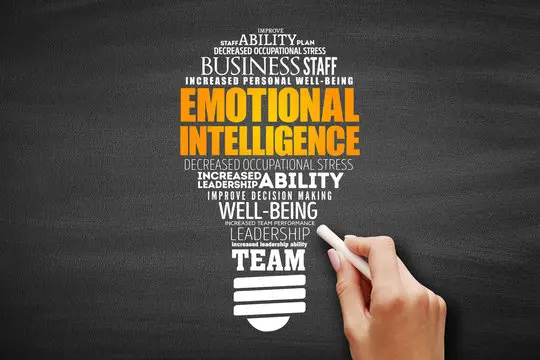
Emotional intelligence refers to the ability to recognize, understand, manage, and influence emotions effectively. It involves understanding both personal emotions and the emotions of others.
Psychologists generally identify five main components of emotional intelligence:
Self-Awareness
Self-awareness is the ability to recognize your emotions and understand how they affect your behavior. People who are self-aware know their strengths, weaknesses, and emotional triggers.
Self-Regulation
Self-regulation involves controlling emotional reactions and responding calmly to difficult situations. It helps individuals avoid impulsive decisions.
Motivation
Motivation refers to the internal drive that encourages people to achieve goals and overcome obstacles.
Empathy
Empathy is the ability to understand and share the feelings of others. It helps build trust and strengthen relationships.
Social Skills
Social skills involve communication, teamwork, relationship management, and conflict resolution.
Together, these components help people manage emotions effectively and interact positive Why is Emotional Intelligence Important?
The importance of emotional intelligence extends to nearly every area of life. It affects personal relationships, career success, mental well-being, and overall happiness.
Better Communication
People with high emotional intelligence communicate clearly and respectfully. They understand how words affect others and choose their responses carefully.
Stronger Relationships
Emotional intelligence helps individuals understand the feelings and needs of others. This creates stronger personal and professional relationships.
Improved Decision-Making
When emotions are managed effectively, people make more balanced and logical decisions. They are less likely to act impulsively.
Effective Leadership
Leaders with emotional intelligence inspire trust, motivate teams, and handle workplace challenges successfully.
Better Stress Management
Emotionally intelligent individuals can manage stress more effectively. They remain calm during difficult situations and focus on solutions.
Increased Workplace Success
Many employers value emotional intelligence because it improves teamwork, customer service, productivity, and adaptability.
Greater Self-Confidence
Understanding emotions helps individuals develop confidence and maintain a positive self-image.
Enhanced Problem-Solving
People with strong emotional intelligence can evaluate situations objectively and find practical solutions.
Detailed Step-by-Step Guide
Step 1: Increase Self-Awareness
The first step in developing emotional intelligence is understanding your emotions.
Pay attention to how you feel throughout the day. Notice situations that trigger anger, frustration, excitement, or anxiety.
A journal can help you track emotional patterns and identify recurring triggers.
Example
If you become stressed during deadlines, recognizing this pattern allows you to prepare better and manage pressure more effectively.
Step 2: Practice Self-Control
Managing emotions is a key part of emotional intelligence.
Instead of reacting immediately, take a moment to pause and think before responding.
Useful techniques include:
- Deep breathing
- Mindfulness exercises
- Counting to ten
- Taking short breaks
- Positive self-talk
- Example
If someone criticizes your work, pause before responding. Consider the feedback objectively rather than reacting emotionally.
Step 3: Strengthen Motivation
Motivation helps people stay focused on goals despite challenges.
To improve motivation:
- Set realistic goals
- Create action plans
- Celebrate progress
- Learn from mistakes
- Maintain a growth mindset
People with emotional intelligence view setbacks as learning opportunities rather than failures.
Step 4: Develop Empathy
Empathy is one of the most important emotional intelligence skills.
To improve empathy:
- Listen carefully
- Avoid interrupting
- Ask questions
- Observe body language
- Consider different perspectives
- Example
If a coworker seems upset, try understanding their situation before making assumptions.
Step 5: Improve Communication Skills
Communication is essential for emotional intelligence.
Practice:
- Active listening
- Clear speaking
- Respectful responses
- Positive body language
- Constructive feedback
Good communication reduces misunderstandings and improves relationships.
Step 6: Manage Conflicts Effectively
Conflicts are a normal part of life.
Emotionally intelligent people:
Stay calm
Listen to all sides
Focus on solutions
Avoid blame
Show respect
The goal is to solve problems rather than win arguments.
Step 7: Build Positive Relationships
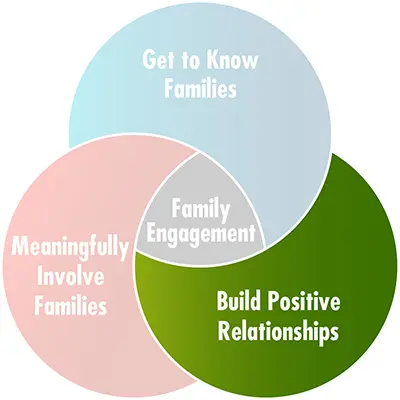
Healthy relationships contribute to emotional well-being.
Ways to strengthen relationships include:
- Showing appreciation
- Being trustworthy
- Offering support
- Respecting boundaries
- Communicating honestly
Step 8: Reflect Regularly
Take time to review your emotional responses.
Ask yourself:
What emotions did I experience today?
How did I react?
What could I improve?
Regular reflection supports continuous growth.
Benefits of Emotional Intelligence
Emotional intelligence offers many advantages, including:
- Better communication skills
- Stronger personal relationships
- Improved teamwork
- Increased self-confidence
- Better leadership abilities
- Enhanced decision-making
- Greater resilience
- Reduced stress levels
- Higher productivity
- Better conflict resolution
- Stronger customer relationships
- Increased adaptability
- Improved mental well-being
- Greater empathy
- Better academic performance
- Stronger professional reputation
- Improved problem-solving skills
- Greater emotional stability
- Better workplace performance
- Long-term personal growth
These benefits demonstrate why emotional intelligence is considered one of the most valuable life skills.
Disadvantages / Risks
Although emotional intelligence provides many benefits, there are some potential risks when it is misunderstood or misused.
Overthinking emotions can create unnecessary stress.
Excessive empathy may lead to emotional exhaustion.
Constantly prioritizing others may reduce personal boundaries.
Misreading emotions can cause misunderstandings.
Emotional awareness without action may limit growth.
Some people may use emotional knowledge to manipulate others.
To avoid these risks, emotional intelligence should be balanced with logic, self-respect, and healthy boundaries.
Common Mistakes to Avoid
Many people misunderstand emotional intelligence and make mistakes that limit their development.
Ignoring Emotions
Some individuals believe emotions should be suppressed. However, emotional intelligence involves understanding emotions rather than ignoring them.
Reacting Impulsively
Responding immediately during emotional situations often leads to poor decisions.
Failing to Listen
Effective communication requires active listening, not just speaking.
Judging Others Too Quickly
Making assumptions without understanding someone’s perspective can damage relationships.
Avoiding Difficult Conversations
Emotionally intelligent people address issues respectfully instead of avoiding them.
Refusing Feedback
Constructive feedback provides valuable opportunities for growth.
Neglecting Self-Care
Managing emotions becomes more difficult when physical and mental health are ignored.
Can emotional intelligence improve relationships?
Absolutely. Emotional intelligence encourages empathy, trust, understanding, and effective communication, which strengthen relationships.
Does emotional intelligence affect mental health?
Yes. Emotional intelligence helps individuals manage stress, understand emotions, and maintain healthier emotional habits.
How does emotional intelligence help at work?
Emotional intelligence improves teamwork, communication, leadership, adaptability, and workplace relationships.
How can I improve emotional intelligence quickly
You can improve emotional intelligence by practicing active listening, controlling emotional reactions, seeking feedback, and developing empathy.
You can improve emotional intelligence by practicing active listening, controlling emotional reactions, seeking feedback, and developing empathy.
Both are important. IQ helps with problem-solving and learning, while emotional intelligence helps people apply knowledge effectively in social and professional situations.
Can emotional intelligence be learned?
Yes. Emotional intelligence is a skill that can be improved through practice, self-awareness, empathy, and reflection.
Can emotional intelligence be learned
Yes. Emotional intelligence is a skill that can be improved through practice, self-awareness, empathy, and reflection
Expert Tips & Bonus Points
To improve emotional intelligence faster, consider the following expert recommendations:
Practice Mindfulness
Mindfulness helps you become more aware of emotions and reactions.
Read Emotional Cues
Pay attention to facial expressions, tone of voice, and body language.
Keep Learning
Read books, attend workshops, and study communication skills.
Seek Honest Feedback
Feedback helps identify strengths and areas for improvement.
Focus on Active Listening
Listen to understand rather than simply preparing a response.
Manage Stress Effectively
Exercise, sleep, and relaxation techniques improve emotional control.
Stay Open-Minded
Different perspectives provide opportunities for learning and growth.
Build Positive Habits
Small daily improvements create lasting emotional intelligence skills over time.
Conclusion
The importance of emotional intelligence cannot be overstated in today’s personal and professional environments. While knowledge, education, and technical skills remain valuable, emotional intelligence often determines how effectively those abilities are used. It influences communication, decision-making, leadership, stress management, and relationship building.
People with strong emotional intelligence understand their emotions and respond thoughtfully to challenges. They build stronger connections, adapt more easily to change, and maintain greater emotional balance. These qualities contribute to success in careers, education, business, and personal life.
The best aspect of emotional intelligence is that it can be developed by anyone. Through self-awareness, self-regulation, empathy, motivation, and effective communication, individuals can strengthen their emotional skills over time. Consistent practice and reflection lead to meaningful improvements.
As society becomes increasingly connected and collaborative, emotional intelligence continues to grow in importance. Investing time in developing this skill can result in better relationships, stronger leadership abilities, improved mental well-being, and greater overall success. By understanding and applying the principles of emotional intelligence, individuals can create a more fulfilling, productive, and balanced life.
