


Introduction
Applying for scholarships is one of the smartest ways to reduce educational expenses and achieve academic goals without taking on significant financial burdens. Every year, thousands of students apply for scholarships hoping to secure funding for their studies. However, many applicants unknowingly make mistakes that reduce their chances of success.
Understanding the most common scholarship application mistakes to avoid can help students submit stronger applications and stand out from the competition. Scholarship providers often receive hundreds or even thousands of applications for a limited number of awards. As a result, even small errors can lead to rejection.
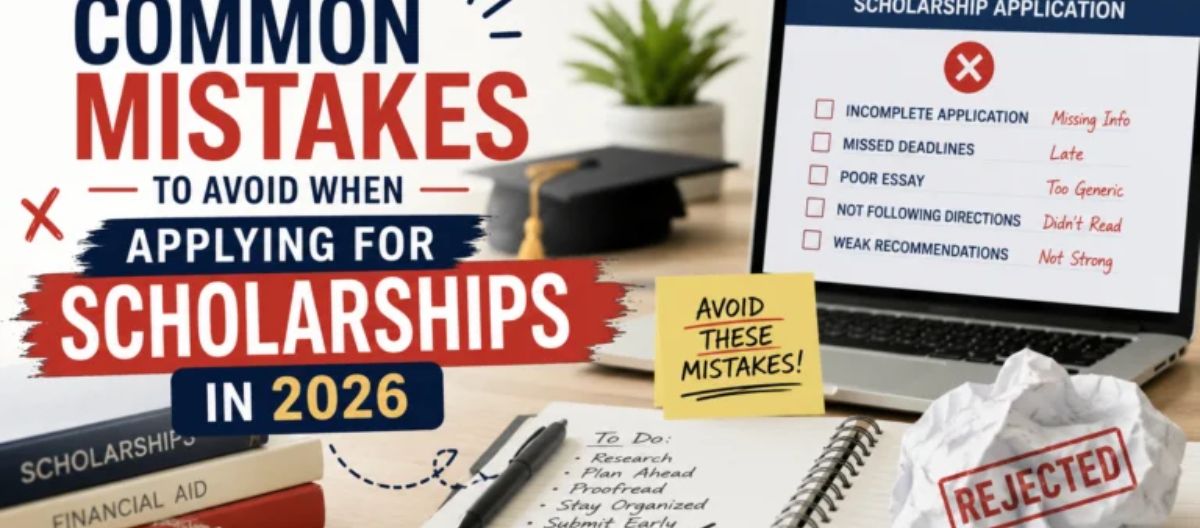
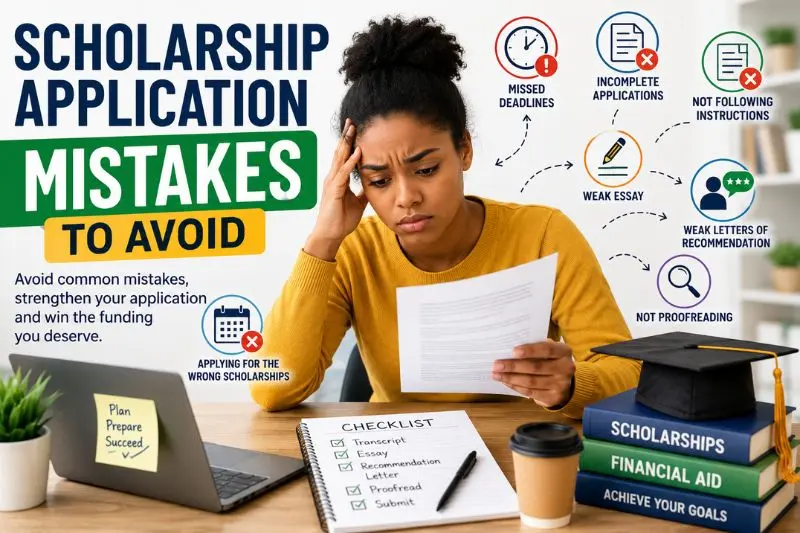
Many students focus only on meeting eligibility requirements and forget the importance of presenting a complete, accurate, and compelling application. Missing deadlines, submitting weak essays, ignoring instructions, and failing to proofread are just a few examples of mistakes that can hurt an applicant’s chances.
Fortunately, most scholarship application mistakes are preventable. With proper planning, attention to detail, and a strategic approach, students can significantly improve their likelihood of receiving scholarship funding.
This guide explores the most common scholarship application mistakes to avoid, explains why scholarship applications matter, provides a step-by-step application strategy, discusses benefits and risks, answers frequently asked questions, and shares expert tips to help students succeed.
What is Common Scholarship Application Mistakes to Avoid?
Common scholarship application mistakes to avoid refers to the errors, oversights, and poor practices that students frequently make during the scholarship application process. These mistakes can weaken an application and decrease the likelihood of receiving financial aid.
Examples include:
- Missing application deadlines
- Submitting incomplete documents
- Writing generic essays
- Ignoring eligibility criteria
- Providing inaccurate information
- Failing to proofread materials
- Not following application instructions
Scholarship committees evaluate applicants based on academic achievements, leadership qualities, community involvement, personal experiences, and future goals. Therefore, avoiding these mistakes is essential for presenting a strong application.
Understanding these errors allows students to prepare more effectively and increase their chances of success.

Why is Common Scholarship Application Mistakes to Avoid Important?
Avoiding scholarship application mistakes is important because scholarships are highly competitive. A single error can make the difference between acceptance and rejection.
Here are several reasons why avoiding mistakes matters:
Improves First Impressions
Scholarship reviewers often form opinions quickly. Well-organized applications create a positive impression.
Demonstrates Professionalism
Accurate and complete applications show responsibility and attention to detail.
Increases Selection Chances
Strong applications naturally stand out among hundreds of submissions.
Prevents Automatic Disqualification
Some scholarship programs reject applications immediately if requirements are not met.
Saves Time and Effort
Avoiding mistakes reduces the need for corrections and last-minute stress.
Students who understand common scholarship application mistakes to avoid gain a significant advantage over less-prepared applicants.
Detailed Step-by-Step Guide
Step 1: Research Scholarships Carefully
Start by identifying scholarships that match your qualifications, interests, and academic goals.
Consider:
- Eligibility requirements
- Award amounts
- Application deadlines
- Required documents
- Selection criteria
Applying for scholarships that fit your profile increases your chances of success.
Step 2: Create a Scholarship Calendar
Organization is essential.
Create a schedule that includes:
- Scholarship names
- Submission deadlines
- Required documents
- Essay due dates
- Recommendation letter deadlines
A calendar helps prevent missed opportunities.
Step 3: Read Instructions Thoroughly
One of the most common scholarship application mistakes to avoid is skipping instructions.
Before starting:
- Read all guidelines carefully
- Understand formatting requirements
- Review eligibility conditions
- Check word limits
Following instructions demonstrates professionalism.
Step 4: Gather Required Documents Early
Many applications require supporting materials such as:
- Academic transcripts
- Recommendation letters
- Personal statements
- Certificates
- Financial documents
Collect these materials well before the deadline.
Step 5: Write a Strong Personal Essay
The scholarship essay is often the most important component.
Focus on:
- Authentic experiences
- Personal growth
- Academic goals
- Career aspirations
- Community involvement
Avoid generic statements and provide specific examples.
Step 6: Customize Every Application
Do not use identical content for every scholarship.
Instead:
- Tailor essays to each program
- Address specific goals
- Highlight relevant achievements
- Align responses with scholarship values
Personalized applications are more effective.
Step 7: Proofread Everything
Grammar and spelling mistakes can damage credibility.
Before submission:
- Review multiple times
- Use grammar-checking tools
- Ask teachers or mentors for feedback
Fresh eyes often catch overlooked errors.
Step 8: Verify Application Completeness
Check that every requirement has been fulfilled.
Confirm:
- All forms are completed
- Documents are attached
- Essays meet requirements
- Contact information is correct
Incomplete applications frequently result in rejection.
Step 9: Submit Before the Deadline
Never wait until the final hour.
Early submission helps avoid:
- Internet issues
- Technical errors
- Missing documents
- Last-minute stress
Aim to submit several days before the deadline.
Step 10: Keep Records
Save copies of:
- Essays
- Forms
- Confirmation emails
- Supporting documents
Maintaining records simplifies future applications.
Benefits of Common Scholarship Application Mistakes to Avoid
Avoiding scholarship mistakes offers numerous advantages:
- Increases scholarship approval chances
- Enhances application quality
- Demonstrates professionalism
- Reduces stress during application periods
- Improves confidence
- Prevents automatic disqualification
- Creates stronger essays and personal statements
- Encourages better organization
- Saves time in future applications
- Builds valuable communication skills
Students who avoid common mistakes often submit stronger and more competitive applications.
Disadvantages / Risks
Failing to avoid scholarship application mistakes can create several problems:
- Missed scholarship opportunities
- Rejection due to incomplete applications
- Loss of financial aid possibilities
- Negative first impressions
- Lower competitiveness
- Increased stress and frustration
- Wasted effort and time
- Missed deadlines
- Inaccurate information affecting eligibility
- Reduced confidence in future applications
Even highly qualified students can lose opportunities because of preventable mistakes.
Common Mistakes to Avoid
Understanding common scholarship application mistakes to avoid is essential for success.
Missing Deadlines
Late applications are usually not considered.
Set reminders and submit early whenever possible.
Ignoring Eligibility Requirements
Some students apply without confirming eligibility.
Always review requirements before investing time in an application.
Submitting Incomplete Applications
Missing documents can lead to immediate rejection.
Double-check every requirement before submission.
Writing Generic Essays
Scholarship reviewers read many essays.
Generic responses fail to make an impact.
Use personal experiences and unique stories.
Poor Grammar and Spelling
Writing errors suggest a lack of attention to detail.
Proofreading is essential.
Providing Incorrect Information
Inaccurate details can damage credibility.
Verify all information before submission.
Failing to Follow Instructions
Ignoring word limits, formatting rules, or document requirements can hurt your application.
Follow every instruction carefully.
Using Weak Recommendation Letters
Choose recommenders who know your strengths well.
Strong recommendations add credibility.
Applying at the Last Minute
Rushed applications often contain mistakes.
Begin early and allow time for revisions.
Not Highlighting Achievements
Many students underestimate their accomplishments.
Include leadership experiences, volunteer work, awards, and academic achievements.
Overlooking Scholarship Goals
Each scholarship has a purpose.
Understand what reviewers are seeking and align your application accordingly.
Neglecting Essay Structure
Poorly organized essays are difficult to read.
Use clear introductions, body paragraphs, and conclusions.
What is the most common scholarship application mistake?
Missing deadlines is one of the most common mistakes. Many students wait too long and lose opportunities despite being qualified.
How important is the scholarship essay?
The essay is often one of the most influential parts of the application. It allows reviewers to understand your personality, goals, and experiences.
Should I apply for multiple scholarships?
Yes. Applying for multiple scholarships increases your chances of receiving financial assistance and reduces dependence on a single opportunity.
How can I make my application stand out?
Use specific examples, showcase achievements, demonstrate leadership, and tailor your application to the scholarship’s objectives.
Are recommendation letters important?
Absolutely. Strong recommendation letters provide third-party validation of your abilities, character, and accomplishments.
Can grammar mistakes affect scholarship decisions?
Yes. Frequent grammar and spelling errors may create a negative impression and suggest poor attention to detail.
How early should I start applying?
Ideally, begin several months before deadlines. Early preparation allows sufficient time for research, writing, revisions, and document collection.
Expert Tips & Bonus Points
Students who consistently win scholarships often follow certain best practices.
Start Earlier Than Everyone Else
Early preparation reduces stress and improves application quality.
Build a Scholarship Portfolio
Maintain a folder containing:
- Certificates
- Awards
- Volunteer records
- Leadership experiences
- Academic achievements
This makes applications easier to complete.
Focus on Quality Over Quantity
Submitting ten strong applications is often better than submitting fifty rushed ones.
Develop a Personal Brand
Highlight consistent themes in your achievements and goals.
For example:
- Leadership
- Community service
- Innovation
- Academic excellence Ask for Feedback
Ask for Feedback
Teachers, counselors, and mentors can provide valuable suggestions for improving essays and applications.
Keep Improving Essay
Save successful essays and refine them for future opportunities.
Track Every Application
Use a spreadsheet to monitor:
- Deadlines
- Requirements
- Submission dates
- Results
Organization improves efficiency.
Demonstrate Impact
Rather than simply listing activities, explain how your actions made a difference.
For example:
Instead of saying, “I volunteered at a community center,” explain the outcomes and lessons learned.
Stay Positive After Rejection
Even successful scholarship recipients experience rejection.
Persistence often leads to eventual success.
Continue Searching Year-Round
New scholarships become available regularly.
Make scholarship searches an ongoing habit rather than a one-time activity.
Conclusion
Scholarships can play a transformative role in helping students achieve their educational dreams while reducing financial stress. However, competition for scholarship funding continues to grow, making it increasingly important to submit strong and well-prepared applications. Understanding the common scholarship application mistakes to avoid can significantly improve an applicant’s chances of success.
Many scholarship rejections occur not because students lack qualifications but because they make preventable mistakes. Missing deadlines, submitting incomplete applications, writing weak essays, ignoring instructions, and failing to proofread are among the most common issues that scholarship committees encounter. Fortunately, these mistakes can be avoided through careful planning and attention to detail.
Successful scholarship applicants typically begin early, stay organized, customize their applications, and thoroughly review all materials before submission. They understand the importance of presenting their achievements clearly while demonstrating how their goals align with the scholarship’s mission.
The scholarship application process may seem challenging at first, but every application provides valuable experience and opportunities for growth. Even if an application is unsuccessful, students gain important skills that can help them in future scholarship competitions, academic pursuits, and professional careers.
By following the strategies outlined in this guide and consistently avoiding common scholarship application mistakes to avoid, students can maximize their opportunities, strengthen their applications, and move one step closer to achieving their educational and career aspirations.Yahan topic likho
