
Introduction
Learning something new can feel exciting, but it can also seem overwhelming when you are starting from zero. Many people want to develop valuable abilities, improve their careers, or pursue personal interests, yet they often struggle to take the first step. The good news is that every expert was once a beginner. Whether you want to learn graphic design, programming, digital marketing, public speaking, writing, or any other ability, the process follows similar principles.
Understanding how to start learning a new skill from zero is one of the most important abilities in today’s fast-changing world. Industries evolve quickly, technology advances every year, and employers increasingly value people who can adapt and learn continuously. Developing new skills not only improves your career opportunities but also boosts confidence and personal growth.
Many beginners make the mistake of trying to learn everything at once. As a result, they become confused, lose motivation, and eventually give up. Successful learners take a different approach. They create a clear plan, focus on small goals, practice consistently, and track their progress over time.
This guide will walk you through every stage of the learning journey. From choosing the right skill and creating a learning plan to avoiding common mistakes and staying motivated, you will discover practical strategies that can help you achieve real results. If you are ready to transform from a complete beginner into a confident learner, this step-by-step guide will show you exactly how to start learning a new skill from zero.
What is How to Start Learning a New Skill from Zero?
How to start learning a new skill from zero refers to the process of acquiring knowledge and developing competence in an area where you currently have little or no experience. It involves understanding the basics, practicing regularly, building confidence, and gradually improving over time.
A skill can be anything that requires learning and practice. Examples include:
- Coding
- Graphic design
- Video editing
- Content writing
- Public speaking
- Photography
- Language learning
- Digital marketing
- Cooking
- Data analysis
Starting from zero does not mean you lack potential. It simply means you are at the beginning of your learning journey. With the right approach, anyone can build expertise regardless of age, education level, or previous experience.
Why is How to Start Learning a New Skill from Zero Important?
Learning new skills has become essential in both personal and professional life. The world changes rapidly, and people who continue learning are often better prepared for new opportunities.
Here are some reasons why learning a new skill matters:
- Improves career prospects
- Increases earning potential
- Builds confidence
- Encourages personal growth
- Expands professional networks
- Enhances problem-solving abilities
- Creates new opportunities for freelancing or entrepreneurship
- Keeps your mind active and engaged
Employers increasingly value individuals who demonstrate adaptability and a willingness to learn. By understanding how to start learning a new skill from zero, you can remain competitive and relevant in your chosen field.
Detailed Step-by-Step Guide
Step 1: Choose the Right Skill
Before starting, identify the skill you genuinely want to learn.
Ask yourself:
- What interests me?
- What skills are in demand?
- What aligns with my career goals?
- What problem can this skill solve for me?
For example, if you want to work remotely, skills such as digital marketing, programming, and content writing may be useful choices.
Step 2: Define a Clear Goal
Learning without a goal often leads to confusion.
Instead of saying:
“I want to learn graphic design.”
Say:
“I want to create professional social media graphics within three months.”
Clear goals provide direction and help measure progress.
Step 3: Understand the Basics First
Many beginners jump directly into advanced topics.
This creates frustration because they lack foundational knowledge.
Focus on:
- Key concepts
- Basic terminology
- Fundamental principles
- Essential tools
Building a strong foundation makes advanced learning much easier later.
Step 4: Break the Skill into Smaller Parts
Large goals can seem intimidating.
Divide the skill into manageable sections.
For example, learning digital marketing may include:
- SEO basics
- Content marketing
- Social media marketing
- Email marketing
- Analytics
Master one area at a time before moving to the next.
Step 5: Create a Learning Schedule
Consistency matters more than intensity.
A realistic schedule might be:
- 30 minutes daily
- 1 hour every weekday
- 5 hours per week
Choose a routine you can maintain over the long term.
Step 6: Use Multiple Learning Resources
Different resources provide different perspectives.
Consider:
- Books
- Online courses
- Video tutorials
- Podcasts
- Blogs
- Communities and forums
Combining resources often accelerates learning.
Step 7: Practice Immediately
Knowledge without action rarely produces results.
Apply what you learn as soon as possible.
Examples:
- Write articles if learning content writing
- Build small websites if learning coding
- Design sample projects if learning graphic design
Practical experience reinforces learning.
Step 8: Track Your Progress
Monitoring progress keeps you motivated.
You can track:
- Hours studied
- Projects completed
- Skills mastered
- Milestones achieved
Even small improvements become visible when tracked consistently.
Step 9: Seek Feedback
Feedback helps identify weaknesses.
Ask for input from:
- Mentors
- Teachers
- Experienced professionals
- Peers
Constructive criticism allows faster improvement.
Step 10: Stay Consistent
Consistency is often more important than talent.
Learning for thirty minutes daily is usually more effective than studying eight hours once a week.
Regular practice creates lasting improvement.
Step 11: Build Real Projects
Projects transform theory into practical skills.
For example:
- Create a portfolio website
- Write a blog
- Design marketing materials
- Develop a mobile application
Projects demonstrate your abilities and strengthen confidence.
Step 12: Learn from Mistakes
Mistakes are part of the learning process.
Instead of viewing errors as failures, treat them as opportunities to improve.
Every mistake teaches a valuable lesson.
Step 13: Join Learning Communities
Communities provide support, motivation, and knowledge.
Benefits include:
- Networking opportunities
- Access to experienced learners
- Problem-solving assistance
- Accountability
Learning becomes easier when you are surrounded by people with similar goals.
Step 14: Develop a Growth Mindset
A growth mindset means believing abilities can improve through effort and practice.
Instead of thinking:
“I’m not good at this.”
Think:
“I am still learning.”
This simple shift can dramatically improve long-term success.
Step 15: Keep Learning and Improving
Skill development never truly ends.
As you gain experience:
- Explore advanced concepts
- Learn industry trends
- Expand your expertise
- Continue practicing
Continuous improvement keeps your skills relevant.
Benefits of How to Start Learning a New Skill from Zero
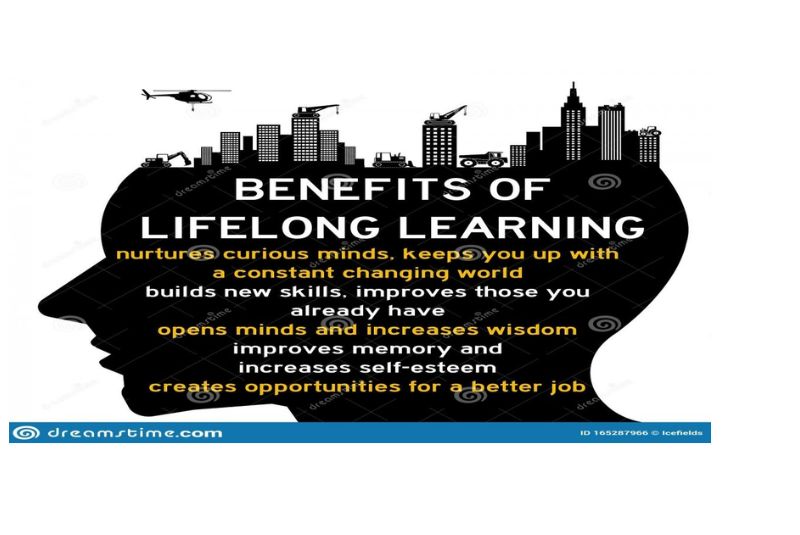
Learning a new skill offers numerous advantages:
- Increases confidence and self-esteem
- Creates better career opportunities
- Enhances adaptability in changing industries
- Improves problem-solving abilities
- Opens doors to freelancing opportunities
- Supports personal development
- Encourages lifelong learning habits
- Helps build professional credibility
- Expands networking opportunities
- Increases earning potential
- Promotes creativity and innovation
- Provides a sense of accomplishment
Disadvantages / Risks
Although learning a new skill is beneficial, there are challenges to consider:
- Progress may feel slow initially
- Information overload can cause confusion
- Lack of consistency may delay results
- Poor learning strategies waste time
- Unrealistic expectations create frustration
- Distractions reduce productivity
- Burnout can occur from excessive studying
- Fear of failure may discourage beginners
- Limited guidance can slow improvement
- Comparing yourself to experts may reduce motivation
Understanding these risks helps you prepare for challenges and remain focused.
Common Mistakes to Avoid
Many beginners struggle because they repeat common mistakes.
Trying to Learn Too Much at Once
Focusing on multiple skills simultaneously can divide your attention and reduce effectiveness.
Skipping the Fundamentals
Strong foundations are essential for long-term success.
Consuming Without Practicing
Watching tutorials alone is not enough.
Practice consistently.
Expecting Instant Results
Skill development takes time.
Patience is essential.
Not Setting Goals
Goals provide direction and motivation.
Ignoring Feedback
Constructive feedback accelerates improvement.
Comparing Yourself to Others
Everyone learns at a different pace.
Focus on your own progress.
Quitting Too Early
Many people stop learning just before meaningful improvement occurs.
Stay committed to the process.
FAQs
How long does it take to learn a new skill from zero
The timeline varies depending on the complexity of the skill, learning method, and practice frequency. Basic competence may take weeks or months, while mastery often requires years of consistent effort.
What is the best way to stay motivated while learning?
Set achievable goals, track progress, celebrate small wins, and remind yourself why you started. Motivation often grows when you see tangible improvement.
Can I learn a new skill without formal education?
Yes. Many successful professionals have developed valuable skills through self-study, practical experience, books, courses, and hands-on projects.
Should I focus on one skill at a time?
For most beginners, focusing on one primary skill leads to faster and better results. Once you establish a strong foundation, you can explore additional skills.
. What if I fail repeatedly during the learning process?
Failure is a normal part of learning. Every mistake provides valuable feedback that helps you improve. Persistence is often the difference between success and failure.
How do I know if I am making progress?
You can measure progress by tracking completed projects, improved performance, increased confidence, and the ability to solve more advanced problems than before.
Expert Tips & Bonus Points
If you truly want to master how to start learning a new skill from zero, consider these expert recommendations:
- Focus on progress rather than perfection.
- Study consistently, even on busy days.
- Create a dedicated learning environment.
- Use active learning instead of passive consumption.
- Teach others what you learn.
- Review previous lessons regularly.
- Build a portfolio of projects.
- Document your learning journey.
- Find a mentor when possible.
- Stay curious and open-minded.
- Celebrate small achievements.
- Invest in quality learning materials.
- Develop patience and resilience.
- Learn from successful professionals.
- Keep challenging yourself with new projects.
One powerful technique is the “learn, practice, teach” method. First, learn a concept. Second, apply it through practice. Third, explain it to someone else. This approach improves understanding and retention significantly.
Another useful strategy is focusing on consistency rather than motivation. Motivation changes daily, but consistent habits produce lasting results.
Conclusion
Learning something new can seem difficult at first, especially when you have no previous experience. However, understanding how to start learning a new skill from zero makes the journey far more manageable. Every expert began as a beginner, and every achievement started with a single step.
The key to success is having a structured approach. Choose a skill that aligns with your interests and goals, build a strong foundation, create a realistic learning schedule, and practice consistently. Avoid the temptation to rush the process or compare yourself to others. Instead, focus on steady improvement and celebrate every milestone along the way.
Remember that learning is not a race. Progress may feel slow in the beginning, but consistent effort compounds over time. Small daily actions often produce remarkable long-term results. By setting clear goals, seeking feedback, building real projects, and maintaining a growth mindset, you can overcome challenges and continue moving forward.
The ability to learn new skills is one of the most valuable assets in modern life. Whether your goal is career advancement, personal growth, freelancing, entrepreneurship, or simply exploring a new interest, the principles outlined in this guide can help you succeed.
Start today, remain consistent, and trust the process. The skill you dream of mastering tomorrow begins with the effort you invest today. Your learning journey starts now, and every step forward brings you closer to becoming the person you want to be.