


Introduction
In today’s competitive world, learning new skills is no longer optional. Technology, business practices, and industry requirements continue to evolve rapidly, making continuous education essential for career growth. Fortunately, online learning has transformed the way people acquire knowledge and develop professional skills. Whether you are a student, job seeker, freelancer, entrepreneur, or working professional, the best online courses to build career in any field can help you stay relevant and competitive.
Online courses offer flexibility, affordability, and access to world-class instructors from anywhere in the world. Unlike traditional classroom education, these courses allow learners to study at their own pace while balancing work, family, and personal commitments. Additionally, many online programs provide certifications that can strengthen resumes and improve employment opportunities.
The growing popularity of remote work and digital transformation has increased demand for specialized skills across industries. As a result, employers increasingly value practical knowledge and verified skills alongside traditional qualifications. By choosing the right courses, individuals can gain expertise in technology, business, marketing, design, communication, healthcare, finance, and many other fields.
This guide explores the best online courses to build career in any field, explains their importance, highlights benefits and risks, and provides a step-by-step approach to selecting courses that align with your professional goals. Whether you are beginning your career journey or seeking advancement opportunities, the right online education can significantly impact your future success.
What is Best Online Courses to Build Career in Any Field?
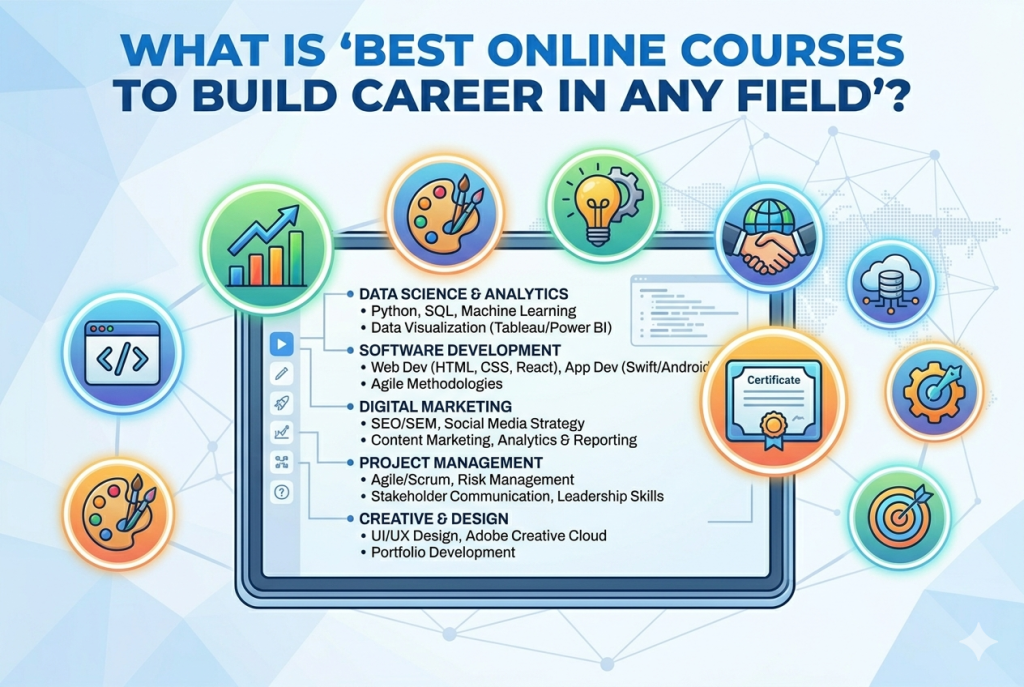
The term best online courses to build career in any field refers to educational programs delivered through digital platforms that help individuals acquire valuable knowledge, practical skills, and professional certifications. These courses cover a wide range of subjects and industries, making them suitable for learners with different backgrounds and career goals.
Online courses can include video lectures, assignments, quizzes, projects, discussion forums, and certification exams. They are designed to provide structured learning experiences without requiring physical attendance in a classroom.
Popular career-building online courses often focus on:
- Digital marketing
- Programming and software development
- Data analytics
- Graphic design
- Project management
- Business administration
- Communication skills
- Financial management
- Artificial intelligence
- Cybersecurity
The primary purpose of these courses is to improve employability, enhance professional performance, and create opportunities for career advancement.
Why is Best Online Courses to Build Career in Any Field Important?
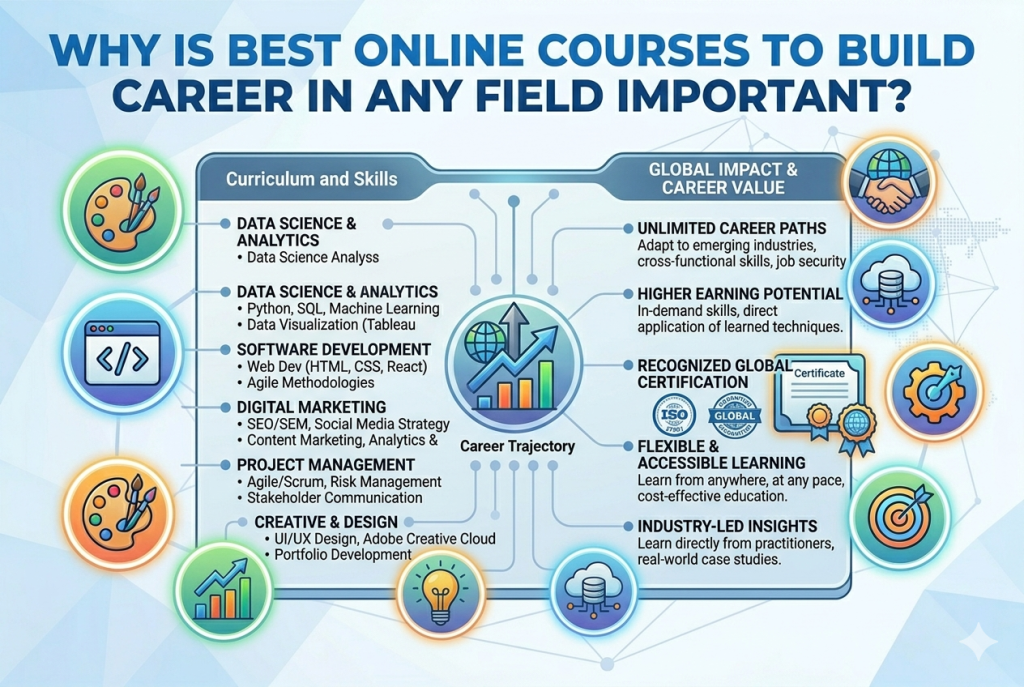
Online learning has become one of the most effective ways to gain relevant skills in a rapidly changing job market.
Here are several reasons why it is important:
Keeps Skills Updated
Industries continuously evolve due to technological advancements. Online courses help professionals stay current with modern practices and tools.
Improves Employability
Employers often seek candidates who demonstrate initiative and commitment to learning. Certifications can strengthen job applications and interviews.
Supports Career Changes
Many individuals switch careers during their working lives. Online courses make transitioning into new industries easier.
Provides Flexible Learning
Learners can study according to their schedules without disrupting their daily responsibilities.
Enhances Professional Confidence
Acquiring new knowledge improves confidence when handling projects, clients, and workplace challenges.
Increases Earning Potential
Specialized skills often lead to better job opportunities, promotions, and higher salaries.
Detailed Step-by-Step Guide
Step 1: Identify Your Career Goals
Before enrolling in any course, determine what you want to achieve.
Ask yourself:
- What industry interests me?
- What skills do employers require?
- Do I want a promotion?
- Am I planning a career change?
- What knowledge gaps should I address?
Clear goals help narrow course options and improve learning outcomes.
Step 2: Assess Your Current Skills
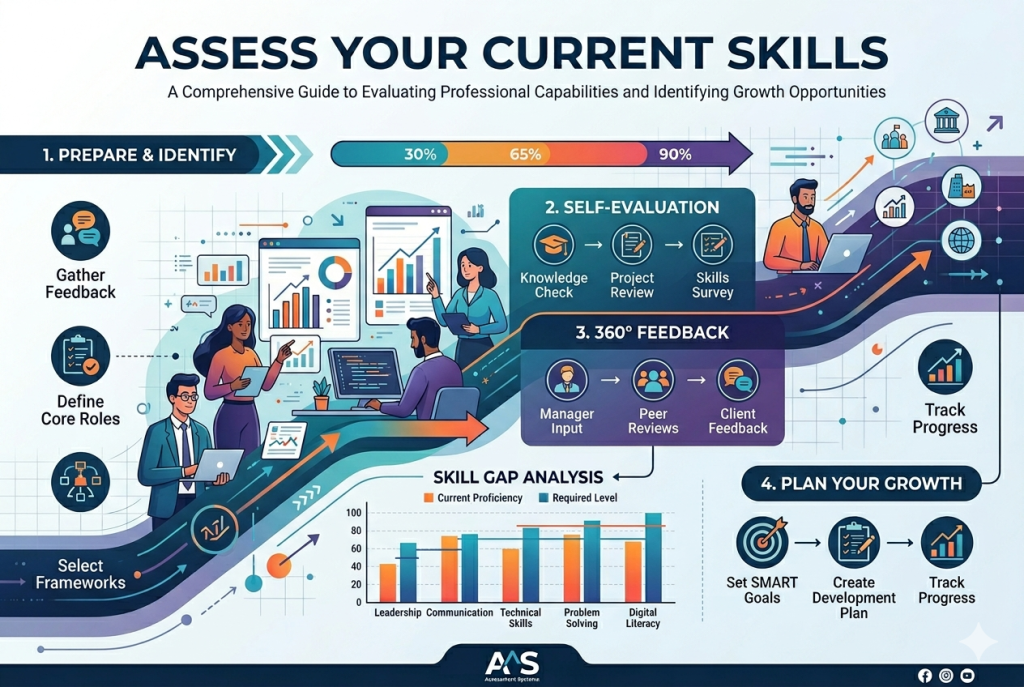
Evaluate your strengths and weaknesses.
For example:
- A marketing professional may need data analytics skills.
- A designer may benefit from learning user experience design.
- A student may require communication and leadership training.
Understanding your starting point allows you to choose appropriate learning levels.
Step 3: Research Industry Requirements
Study job descriptions and employer expectations.
Look for:
- Required certifications
- Technical skills
- Soft skills
- Industry trends
- Emerging technologies
This research ensures your learning efforts align with market demand.
Step 4: Choose Relevant Course Categories
The best online courses to build career in any field often belong to high-demand categories.
Technology Courses
Popular subjects include:
- Programming
- Web development
- Mobile app development
- Cybersecurity
- Cloud computing
- Artificial intelligence
These skills remain highly valuable across industries.
Business Courses
Business education develops management and organizational abilities.
Examples include:
- Leadership
- Entrepreneurship
- Strategic planning
- Human resource management
- Operations management
Marketing Courses
Modern organizations depend heavily on digital marketing.
Useful topics include:
- SEO
- Content marketing
- Social media marketing
- Email marketing
- Advertising
Finance Courses
Financial literacy benefits both professionals and entrepreneurs.
Common subjects include:
- Budgeting
- Accounting
- Financial analysis
- Investment fundamentals
- Risk management
Design Courses
Creative skills remain in demand.
Examples include:
- Graphic design
- UI design
- UX design
- Branding
- Video editing
Step 5: Verify Course Quality
Not all courses offer the same value.
Evaluate:
- Instructor experience
- Student reviews
- Curriculum structure
- Certification credibility
- Practical assignments
High-quality courses provide both theory and practical application.
Step 6: Create a Learning Schedule
Consistency matters more than intensity.
A simple weekly plan may include:
- Monday: Watch lessons
- Wednesday: Complete assignments
- Friday: Review concepts
- Weekend: Practice projects
Regular study habits improve retention and progress.
Step 7: Apply Knowledge Practically
Learning without application limits results.
Examples include:
- Creating websites after coding courses
- Designing sample logos after design courses
- Running marketing campaigns after digital marketing training
Practical experience reinforces learning.
Step 8: Build a Portfolio
A portfolio demonstrates skills to employers.
Include:
- Completed projects
- Certifications
- Case studies
- Personal achievements
A strong portfolio often carries more weight than theoretical knowledge alone.
Step 9: Network With Other Learners
Online communities provide valuable opportunities.
Benefits include:
- Knowledge sharing
- Mentorship
- Job referrals
- Collaboration opportunities
Professional relationships often contribute significantly to career growth.
Step 10: Continue Learning
Career development is an ongoing process.
As industries evolve, continue updating skills through advanced courses and certifications.
Benefits of Best Online Courses to Build Career in Any Field
The following benefits explain why online education continues to grow in popularity:
- Flexible learning schedules
- Affordable compared to traditional education
- Access to global instructors
- Opportunity to learn from anywhere
- Career advancement potential
- Improved employability
- Increased confidence
- Industry-relevant skills
- Professional certifications
- Better salary opportunities
- Enhanced productivity
- Stronger problem-solving abilities
- Access to updated learning materials
- Opportunities for networking
- Support for career transitions
Disadvantages / Risks
Although online learning offers many advantages, there are some challenges to consider:
- Requires strong self-discipline
- Limited face-to-face interaction
- Potential distractions at home
- Variable course quality
- Some certifications may have limited recognition
- Technical issues may disrupt learning
- Practical training may be limited in certain fields
- Lack of immediate instructor support
- Information overload from too many courses
- Risk of choosing irrelevant programs
Understanding these risks helps learners make informed decisions.
Common Mistakes to Avoid
Many learners fail to maximize the value of online education because of avoidable mistakes.
Choosing Courses Without Clear Goals
Enrolling in random courses often leads to wasted time and resources.
Ignoring Industry Demand
Learning skills with limited market value may not produce desired career results.
Focusing Only on Certificates
Employers value practical abilities more than certificates alone.
Not Practicing Skills
Knowledge must be applied through projects and real-world experiences.
Taking Too Many Courses Simultaneously
Excessive workloads can reduce focus and completion rates.
Skipping Course Reviews
Researching student feedback helps identify quality programs.
Failing to Build a Portfolio
Demonstrating skills is often more effective than simply listing completed courses.
Giving Up Too Early
Consistent effort is essential for meaningful progress and career growth.
Are online courses worth it for career growth?
Yes. Quality online courses can help individuals gain valuable skills, earn certifications, improve employability, and increase opportunities for promotions and higher-paying jobs.
Which online course is best for beginners?
Courses in digital marketing, communication skills, project management, programming fundamentals, and business basics are excellent starting points for beginners.
Can online certificates help get a job?
Many employers recognize reputable certifications, especially when combined with practical experience and a strong portfolio.
How long does it take to complete an online course?
Course duration varies widely. Some courses take a few hours, while comprehensive certification programs may require several months.
What skills are most valuable in today’s job market?
High-demand skills include data analysis, digital marketing, programming, cybersecurity, communication, leadership, and project management.
Can I change careers through online learning?
Yes. Many professionals successfully transition into new industries by acquiring relevant skills through structured online courses and practical projects.
How many online courses should I take at once?
Most learners benefit from focusing on one or two courses at a time to maintain consistency and improve completion rates.
Do employers value online learning?
Employers increasingly appreciate candidates who demonstrate continuous learning, initiative, and relevant professional skills.
Best Online Courses to Build Career in Any Field
Meta Title: Best Online Courses to Build Career in Any Field
Meta Description: Discover the best online courses to build career skills, gain certifications, and grow professionally in any field.
Introduction
In today’s competitive world, learning new skills is no longer optional. Technology, business practices, and industry requirements continue to evolve rapidly, making continuous education essential for career growth. Fortunately, online learning has transformed the way people acquire knowledge and develop professional skills. Whether you are a student, job seeker, freelancer, entrepreneur, or working professional, the best online courses to build career in any field can help you stay relevant and competitive.
Online courses offer flexibility, affordability, and access to world-class instructors from anywhere in the world. Unlike traditional classroom education, these courses allow learners to study at their own pace while balancing work, family, and personal commitments. Additionally, many online programs provide certifications that can strengthen resumes and improve employment opportunities.
The growing popularity of remote work and digital transformation has increased demand for specialized skills across industries. As a result, employers increasingly value practical knowledge and verified skills alongside traditional qualifications. By choosing the right courses, individuals can gain expertise in technology, business, marketing, design, communication, healthcare, finance, and many other fields.
This guide explores the best online courses to build career in any field, explains their importance, highlights benefits and risks, and provides a step-by-step approach to selecting courses that align with your professional goals. Whether you are beginning your career journey or seeking advancement opportunities, the right online education can significantly impact your future success.
What is Best Online Courses to Build Career in Any Field?
The term best online courses to build career in any field refers to educational programs delivered through digital platforms that help individuals acquire valuable knowledge, practical skills, and professional certifications. These courses cover a wide range of subjects and industries, making them suitable for learners with different backgrounds and career goals.
Online courses can include video lectures, assignments, quizzes, projects, discussion forums, and certification exams. They are designed to provide structured learning experiences without requiring physical attendance in a classroom.
Popular career-building online courses often focus on:
- Digital marketing
- Programming and software development
- Data analytics
- Graphic design
- Project management
- Business administration
- Communication skills
- Financial management
- Artificial intelligence
- Cybersecurity
The primary purpose of these courses is to improve employability, enhance professional performance, and create opportunities for career advancement.
Why is Best Online Courses to Build Career in Any Field Important?
Online learning has become one of the most effective ways to gain relevant skills in a rapidly changing job market.
Here are several reasons why it is important:
Keeps Skills Updated
Industries continuously evolve due to technological advancements. Online courses help professionals stay current with modern practices and tools.
Improves Employability
Employers often seek candidates who demonstrate initiative and commitment to learning. Certifications can strengthen job applications and interviews.
Supports Career Changes
Many individuals switch careers during their working lives. Online courses make transitioning into new industries easier.
Provides Flexible Learning
Learners can study according to their schedules without disrupting their daily responsibilities.
Enhances Professional Confidence
Acquiring new knowledge improves confidence when handling projects, clients, and workplace challenges.
Increases Earning Potential
Specialized skills often lead to better job opportunities, promotions, and higher salaries.
Detailed Step-by-Step Guide
Step 1: Identify Your Career Goals
Before enrolling in any course, determine what you want to achieve.
Ask yourself:
- What industry interests me?
- What skills do employers require?
- Do I want a promotion?
- Am I planning a career change?
- What knowledge gaps should I address?
Clear goals help narrow course options and improve learning outcomes.
Step 2: Assess Your Current Skills
Evaluate your strengths and weaknesses.
For example:
- A marketing professional may need data analytics skills.
- A designer may benefit from learning user experience design.
- A student may require communication and leadership training.
Understanding your starting point allows you to choose appropriate learning levels.
Step 3: Research Industry Requirements
Study job descriptions and employer expectations.
Look for:
- Required certifications
- Technical skills
- Soft skills
- Industry trends
- Emerging technologies
This research ensures your learning efforts align with market demand.
Step 4: Choose Relevant Course Categories
The best online courses to build career in any field often belong to high-demand categories.
Technology Courses
Popular subjects include:
- Programming
- Web development
- Mobile app development
- Cybersecurity
- Cloud computing
- Artificial intelligence
These skills remain highly valuable across industries.
Business Courses
Business education develops management and organizational abilities.
Examples include:
- Leadership
- Entrepreneurship
- Strategic planning
- Human resource management
- Operations management
Marketing Courses
Modern organizations depend heavily on digital marketing.
Useful topics include:
- SEO
- Content marketing
- Social media marketing
- Email marketing
- Advertising
Finance Courses
Financial literacy benefits both professionals and entrepreneurs.
Common subjects include:
- Budgeting
- Accounting
- Financial analysis
- Investment fundamentals
- Risk management
Design Courses
Creative skills remain in demand.
Examples include:
- Graphic design
- UI design
- UX design
- Branding
- Video editing
Step 5: Verify Course Quality
Not all courses offer the same value.
Evaluate:
- Instructor experience
- Student reviews
- Curriculum structure
- Certification credibility
- Practical assignments
High-quality courses provide both theory and practical application.
Step 6: Create a Learning Schedule
Consistency matters more than intensity.
A simple weekly plan may include:
- Monday: Watch lessons
- Wednesday: Complete assignments
- Friday: Review concepts
- Weekend: Practice projects
Regular study habits improve retention and progress.
Step 7: Apply Knowledge Practically
Learning without application limits results.
Examples include:
- Creating websites after coding courses
- Designing sample logos after design courses
- Running marketing campaigns after digital marketing training
Practical experience reinforces learning.
Step 8: Build a Portfolio
A portfolio demonstrates skills to employers.
Include:
- Completed projects
- Certifications
- Case studies
- Personal achievements
A strong portfolio often carries more weight than theoretical knowledge alone.
Step 9: Network With Other Learners
Online communities provide valuable opportunities.
Benefits include:
- Knowledge sharing
- Mentorship
- Job referrals
- Collaboration opportunities
Professional relationships often contribute significantly to career growth.
Step 10: Continue Learning
Career development is an ongoing process.
As industries evolve, continue updating skills through advanced courses and certifications.
Benefits of Best Online Courses to Build Career in Any Field
The following benefits explain why online education continues to grow in popularity:
- Flexible learning schedules
- Affordable compared to traditional education
- Access to global instructors
- Opportunity to learn from anywhere
- Career advancement potential
- Improved employability
- Increased confidence
- Industry-relevant skills
- Professional certifications
- Better salary opportunities
- Enhanced productivity
- Stronger problem-solving abilities
- Access to updated learning materials
- Opportunities for networking
- Support for career transitions
Disadvantages / Risks
Although online learning offers many advantages, there are some challenges to consider:
- Requires strong self-discipline
- Limited face-to-face interaction
- Potential distractions at home
- Variable course quality
- Some certifications may have limited recognition
- Technical issues may disrupt learning
- Practical training may be limited in certain fields
- Lack of immediate instructor support
- Information overload from too many courses
- Risk of choosing irrelevant programs
Understanding these risks helps learners make informed decisions.
Common Mistakes to Avoid
Many learners fail to maximize the value of online education because of avoidable mistakes.
Choosing Courses Without Clear Goals
Enrolling in random courses often leads to wasted time and resources.
Ignoring Industry Demand
Learning skills with limited market value may not produce desired career results.
Focusing Only on Certificates
Employers value practical abilities more than certificates alone.
Not Practicing Skills
Knowledge must be applied through projects and real-world experiences.
Taking Too Many Courses Simultaneously
Excessive workloads can reduce focus and completion rates.
Expert Tips & Bonus Points
To maximize results from the best online courses to build career in any field, consider these expert recommendations:
- Focus on skills that solve real workplace problems.
- Prioritize practical projects over passive learning.
- Maintain a professional portfolio from the beginning.
- Set measurable learning goals.
- Track progress weekly.
- Join professional communities related to your field.
- Stay updated with industry news and trends.
- Practice communication and presentation skills.
- Combine technical and soft skills for better career opportunities.
- Review and update your learning plan every six months.
Bonus strategies include:
- Creating personal projects
- Freelancing for experience
- Participating in competitions
- Seeking mentorship
- Volunteering in relevant roles
These activities complement online education and strengthen professional credibility.
Conclusion
The best online courses to build career in any field have transformed modern education and professional development. They provide flexible, affordable, and accessible opportunities for learners to gain valuable skills, improve knowledge, and remain competitive in an evolving job market. Whether someone wants to secure a first job, earn a promotion, switch careers, or start a business, online learning offers practical pathways to success.
However, choosing the right courses requires careful planning. Learners should begin by identifying career goals, assessing current abilities, researching industry requirements, and selecting high-quality programs that provide relevant and practical training. Consistent study habits, hands-on projects, portfolio development, and networking further enhance learning outcomes.
While challenges such as self-discipline, distractions, and varying course quality exist, these obstacles can be overcome through commitment and informed decision-making. The key is not simply collecting certificates but developing real-world skills that create value for employers and clients.
Career growth is a continuous journey rather than a single achievement. By investing time in the best online courses to build career in any field and applying acquired knowledge effectively, individuals can unlock new opportunities, increase earning potential, and achieve long-term professional success. The willingness to learn and adapt remains one of the most powerful tools for building a rewarding and sustainable career in today’s dynamic world.
